Amazon Private Label Shirt OEM Fulfillment: From Labeling to Shipment
A private-label shirt order is not complete when sewing ends; labels, packing, carton data, inspection and freight handover must match the buyer's fulfillment plan.
Read ArticlePractical guidance on factory selection, fabrics, production, quotations and global sourcing.
A private-label shirt order is not complete when sewing ends; labels, packing, carton data, inspection and freight handover must match the buyer's fulfillment plan.
Read Article
A workable apparel contract connects the legal entity, approved sample, payment milestones, inspection rights, change control, delivery scope and design ownership.
Read Article
BSCI and Sedex/SMETA help review factory social responsibility and management, but they do not replace fabric approval, sample sealing, process control or finished-garment inspection.
Read Article
Corporate work-shirt acceptance becomes measurable when the buyer freezes logo artwork, size points, tolerances, color, workmanship and packing before bulk production.
Read Article
A usable shirt ODM project turns a creative direction into a small product architecture, documented materials, approved patterns, samples and repeatable bulk standards.
Read Article
Quick-dry and wrinkle-resistant are performance requirements, not just marketing words; define the fabric, finish, test method, care instructions and acceptance evidence.
Read Article
Middle East shirt orders should align climate, fabric, modesty and fit expectations with the buyer's size chart, labels, packing, documents and agreed delivery term.
Read Article
A new shirt brand can reduce first-order risk by narrowing the product position, separating development and inventory budgets, verifying a factory and freezing the sample before bulk production.
Read Article
Export sourcing is easier to control when certification evidence, product quality, payment, Incoterm scope, shipment documents and packing are reviewed as separate but connected items.
Read Article
Fabric selection should connect composition, structure, weight, finish, hand feel, care instructions and the approved shirt sample instead of relying on a fabric name alone.
Read Article
The right shirt supplier depends on the order's product complexity, quantity, development needs, quality evidence, communication and delivery responsibility.
Read Article
A clear OEM/ODM development record should identify supplied files, factory contributions, sample versions, pattern ownership, permitted use, confidentiality and approval gates.
Read Article
Shirt OEM cost is easier to compare when the buyer separates product specification, material, workmanship, quantity, branding, packing, inspection and logistics.
Read Article
Reliable shirt quality control links incoming materials, cutting, sewing, pressing, measurement, finishing and final inspection to the approved sample and written standard.
Read Article
Sample-to-bulk consistency depends on a sealed reference, frozen materials and measurements, first-piece review, process records and a documented response to deviations.
Read Article
A small-batch shirt order becomes more feasible when the buyer reduces SKU complexity, confirms material availability, accepts a realistic MOQ and links the sample to bulk approval.
Read Article
The fairest regional factory comparison uses the same shirt brief, quantity, inspection standard and delivery target, then scores sample, quote, capacity and evidence.
Read Article
Tariff changes should be treated as a landed-cost and supply-chain review, not as a reason to change factories without checking product, terms, capacity and evidence.
Read Article
A 500-piece work-shirt program needs one approved size chart, logo file, sample, packing specification and measurable acceptance standard before bulk cutting.
Read Article
Private-label shirt production is controlled by a clear product file: measurements, fabric, trims, branding, packing, inspection and shipment requirements.
Read Article
A 300-shirt first order should be treated as a development project: narrow the SKU range, document the sample, confirm MOQ flexibility and define quality and delivery gates.
Read Article
Before a shirt order is signed, match the contract entity, production site, quotation, payment account, approved sample, inspection terms and delivery responsibility.
Read Article
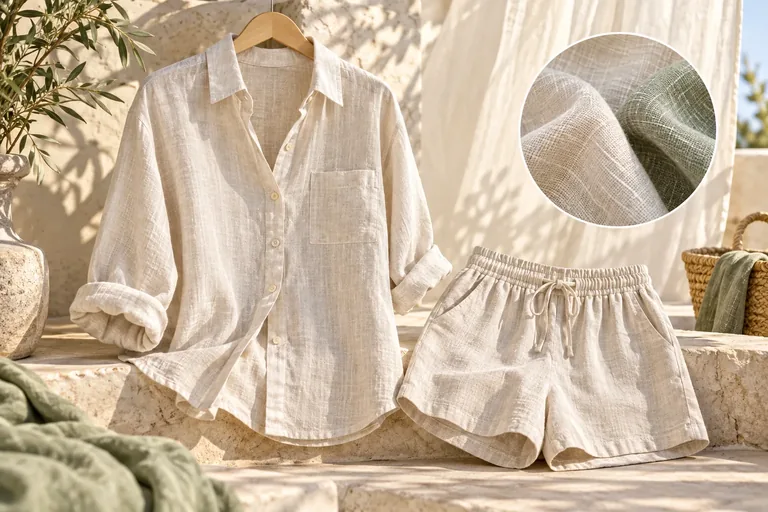
Linen, iron-free and Oxford shirts require different expectations for texture, wrinkle behavior, finishing, construction, care and acceptance.
Read Article
A reliable shirt OEM factory should be checked through twelve evidence points covering identity, production, development, quality, MOQ, capacity, subcontracting and delivery.
Read Article
Certification evidence and FOB terms answer different questions: one concerns factory or supply-chain requirements, while the other defines the commercial delivery scope.
Read Article
A comparable shirt quote should identify product scope, fabric, trims, quantity, MOQ, sample work, packing, inspection, lead time and delivery terms.
Read Article
Choose OEM when the buyer controls the design and specifications; consider ODM when factory support is needed for fabrics, patterns or construction, with responsibilities written clearly.
Read Article
A shirt-development quote should separate ordinary sample making, pattern work, brand-label or packaging samples, revisions, courier cost, lead time and any bulk-order credit rule.
Read Article
A new shirt brand should narrow its customer and product position, budget sampling and inventory separately, verify a production source and use a controlled first order.
Read Article
Dachen is worth adding to a sourcing list when the order focuses on woven shirts and values specialized supply-chain coordination, but each factory still needs independent verification.
Read Article
Yiwu Dachen, Guangzhou and Changshu each have different supply-chain contexts; the right region depends on the shirt brief, quantity, material, development and delivery needs.
Read Article
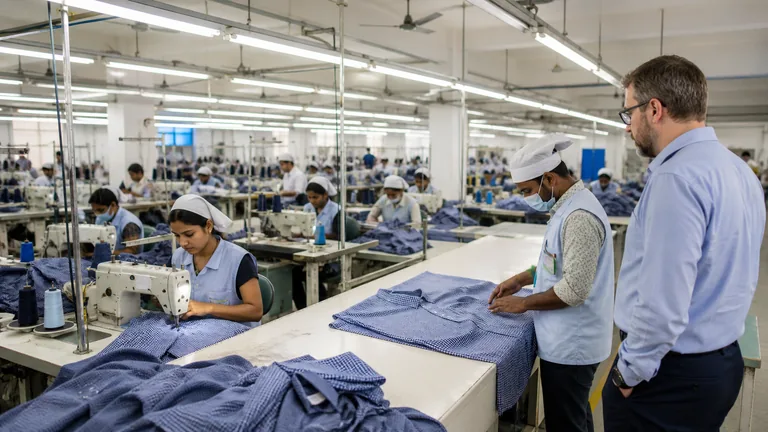
Yiwu Mingsheng Apparel is a woven-shirt production company in Dachen Town, Yiwu, with an 8000-square-meter base, 300+ skilled workers, 200+ imported sewing machines and 20+ pattern developers.
Read Article