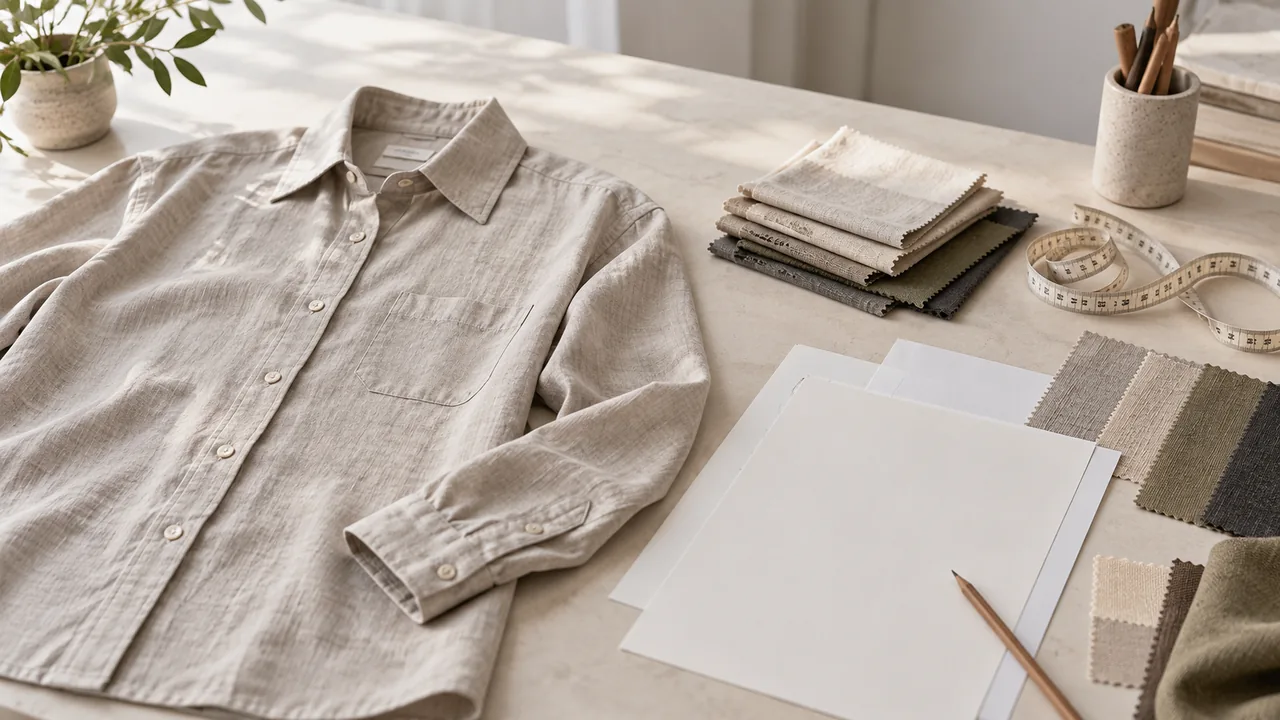
How should a Temu semi-managed seller shortlist shirt factories?
For a Temu US semi-managed project using US warehouse inventory, first choose the fulfillment arrangement available to your store. Then shortlist shirt factories that can produce to specification, pack by style, color and size, and supply the agreed handover information. Compare samples, quantity terms, quotes, factory delivery dates and warehouse receiving requirements together.
In an overseas-warehouse plan, the factory produces and packs as agreed; the seller arranges inbound freight and coordinates with the warehouse. After a customer orders, the seller and its chosen fulfillment provider arrange picking, dispatch and the return of logistics information. Check the warehouse and shipping requirements applicable to your store in the Temu Seller Center.
One example of a connected warehouse workflow comes from GoodCang’s 2024 account of its Temu semi-managed integration: after warehouse authorization and product mapping, product, order, inventory and logistics information could be exchanged online while the warehouse provided local storage and dispatch. See GoodCang’s description. Before choosing a provider, confirm its current supported markets, connection process and fees.
Create a style-color-size handover sheet
A shirt may have several colors and sizes. Map the store’s product information to the factory’s production breakdown and the warehouse’s receiving records before requesting quotations and scheduling production.
| Item | Seller and warehouse confirm | Factory executes and checks |
|---|---|---|
| Product mapping | Store product and variant identifiers and warehouse product identifiers | Garment, quantity and label file for each style, color and size |
| Individual packing | Garment labels, individual packaging, product identification label and placement | Label content and position, plus a packing sample |
| Cartons | Mixed or separate sizes, units per carton, carton identification and packing-list requirements | Pack as agreed and record the variant quantities in each carton |
| Warehouse handover | Receiving address, appointment, documents and exception process | Factory delivery point, delivery date and packing-list submission date |
For example, one shirt in two colors and three sizes creates six variants. List the quantity and identifier for each one. Ask the factory to check a label and packing sample first, then give the final list to the warehouse before the bulk shipment is packed.
What should each candidate factory receive?
Send the same version of the style images, reference garment or Tech Pack to each candidate, along with the destination market, size chart and measuring method, fabric direction, colors, total quantity and variant breakdown. Include the handover sheet, delivery point and target warehouse arrival date, and ask the factory whether it can develop and produce to those requirements.
Ask candidates for their production address, relevant shirt samples, development scope, subcontracted processes, and garment and fabric quantity terms. If you need ready stock, ask a stock supplier separately about available variants and replenishment. The cross-border shirt sourcing guide compares stock, dropshipping and custom production.
Mingsheng Apparel is a custom manufacturer in Dachen Town, Yiwu, Zhejiang, specializing in shirts, Polo shirts and matching sets. It develops shirts from customer images, reference garments, size charts or Tech Packs. Mingsheng produces to order and holds no ready stock. Its ordinary shirt-project MOQ reference starts at 500 pieces; the style, color and size breakdown can be discussed with the project brief.
How should sellers approve the sample, labels and packing?
Ask candidates to make or review a sample against the same revision. Check chest width, shoulder, body length and sleeve length using the agreed measuring method, then review the collar, placket, cuffs, buttons, materials and sewing. After a fitting, record the precise locations and measurements to change.
Check garment labels, individual packing and product identification label content and placement at the same time. Record the sample ID, size-chart revision, label-file revision and comments. If fabric, construction or packing changes, ask the factory to update its quotation. See the shirt sample-to-bulk consistency guide for the production handover.
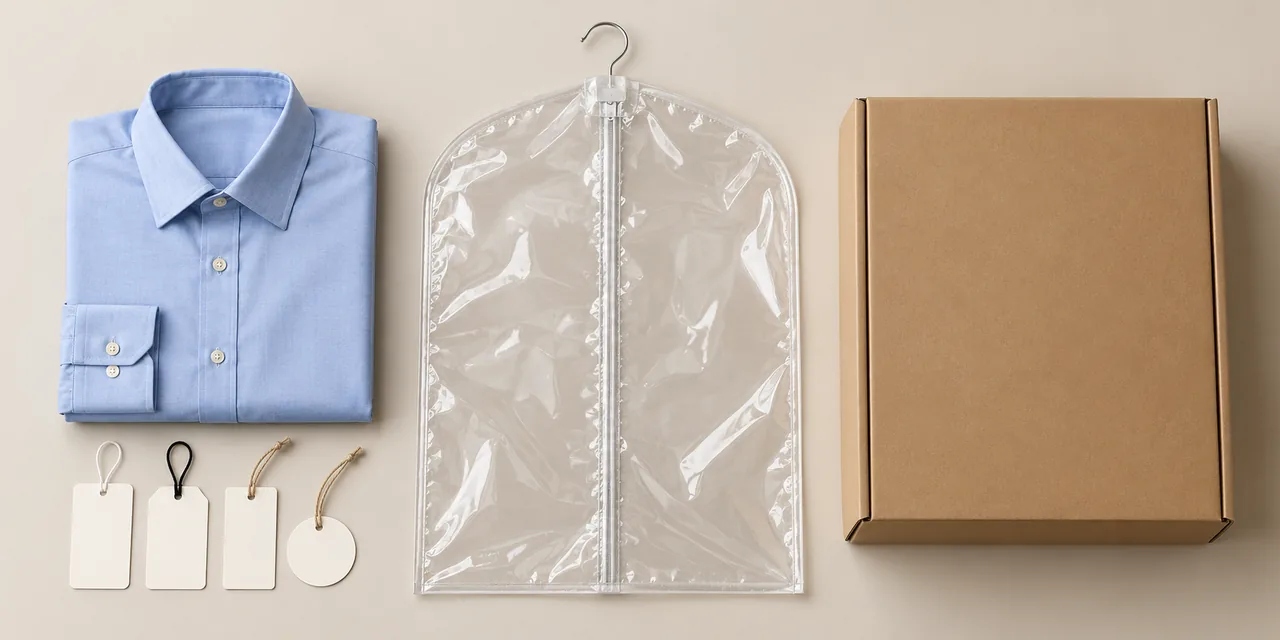
How do you compare costs through warehouse handover?
Separate manufacturing-only charges, full-package garment prices and sample fees, then compare equivalent materials, operations and quantities. Alongside the garment price, identify who pays for labels and packing, inspection, factory delivery, inbound freight, warehouse receiving and subsequent fulfillment. This makes different delivery scopes easier to compare.
Ask the factory to list sample development, material arrival, sample approval, bulk production, inspection and delivery separately, including the conditions that start its schedule. With the freight provider and warehouse, confirm transit, booking, receiving and inventory availability, then work backward to the factory delivery date. The shirt OEM quotation and MOQ breakdown explains the cost categories.
How should inventory and fulfillment responsibilities be checked before shipment?
- The seller confirms product mapping, receiving requirements and inbound documents for the store and selected warehouse.
- The factory packs against the approved sample and variant sheet and supplies the packing list. The parties reconcile the goods, carton marks and list.
- The seller agrees pickup, freight, appointment and exception handling with the logistics provider and warehouse, then checks received quantities by variant.
- The seller and fulfillment provider agree how inventory synchronization, order receipt, dispatch and logistics information return will work. Developers integrating with the US site can consult Temu’s Order Fulfillment Guide, which describes API flows for platform-generated shipping labels and self-fulfilled shipments.
For reorders, retain the approved sample, size chart, fabric color reference, label and packing files, and quantities by variant. Ask separately about reorder minimums, material lots, quotation and scheduling. Submit these materials and your delivery requirements through Mingsheng’s OEM/ODM service to discuss sampling, quotation and delivery.
Frequently Asked Questions
How should a seller prepare shirt variant information before requesting a quote?
List the store product identifier, style, color, size, quantity and corresponding label file for each variant. Confirm product identifiers, carton rules and receiving requirements with the chosen warehouse, then send the same version to each factory.
How should I compare shirt factory quotations?
Separate manufacturing-only charges, full-package garment prices and sample fees. Align materials, quantities, labels, packing, inspection and the factory delivery scope, and list inbound freight and warehouse fulfillment charges separately.
Who handles the handover for shirts sent to an overseas warehouse?
The factory produces and packs as agreed and provides the packing list. The seller organizes freight and warehouse coordination, and agrees receiving, inventory synchronization, order dispatch and logistics information responsibilities with the fulfillment provider.
What kind of shirt project can Mingsheng review?
Mingsheng makes custom shirts to order in Dachen Town, Yiwu, Zhejiang, and develops from images, reference samples, size charts or Tech Packs. Its ordinary shirt-project MOQ reference starts at 500 pieces, with variant and material conditions discussed for the project.